

Most people know exactly what they want the finished piece to feel like, and have no idea which process gets them there. That's the normal starting point — and the right one. The look comes first, the machine second.
So instead of explaining how each method works, here's the version that's actually useful. Find the line below that sounds like you.
"I want people to stop and look at it"
Raised 3D.
The design lifts off the surface and catches light and shadow, so it reads from across a room. Nobody does 3D by accident — it announces itself, which is exactly why it works on boutique pieces and streetwear, where standing out is the product.
It wants bold artwork: thick letters, simple shapes, one strong mark. Thin strokes and small text get swallowed as the design rises, so if your logo is delicate, this isn't its moment.
"It's for the holidays"
Glitter.
Seasonal pieces have one job — look festive on a shelf next to twenty other things — and glitter does that job faster than anything else here.
It works best on a small mark rather than a large one: a word, a monogram, an outline, a single ornament. A whole glittered front is usually less effective than a small glittered detail on an otherwise plain garment.
"I want it to feel high-end"
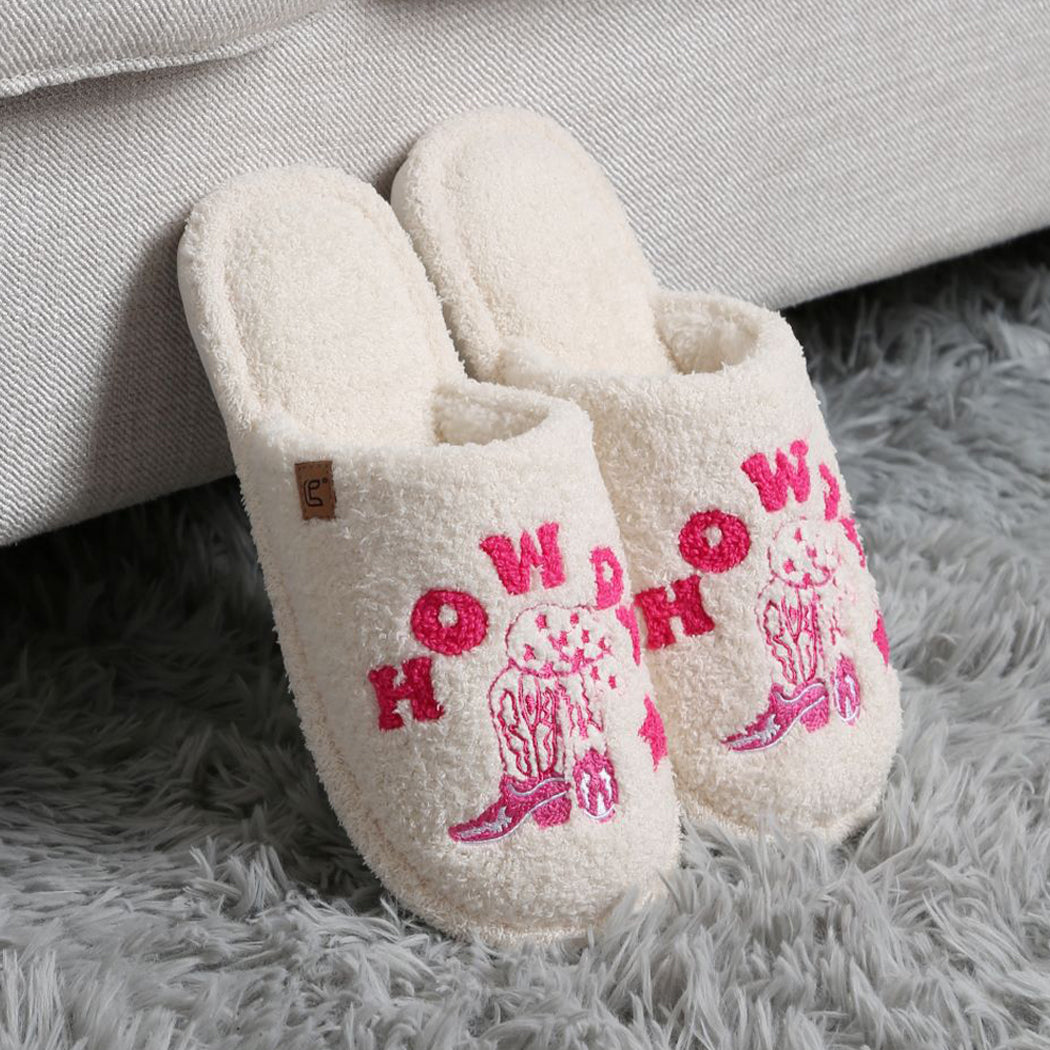
Embroidery.
Thread stitched into the fabric reads as quality in a way print doesn't, and everyone recognizes it without being told why. It has weight and texture. You can feel it with your thumb.
It's also the only method here that outlasts the garment. A polo will fade and lose its shape long before the stitching gives up — which is part of why it signals quality. It's built to still be there in three years.
"Company shirts, and they can't look cheap"
Embroidery again.
This is the most common version of the request above. A team going to a trade show, a staff that meets customers, a company that would rather not hand out something that looks like a giveaway.
Embroidered polos and caps clear that bar immediately. If the budget only reaches a printed tee, that's a fine shirt — but it's a different message, and it's worth deciding which message you're sending before you order.
"My logo has a lot of detail, or a lot of colors"
Full-color printing.
Thread is solid color and has a minimum size. It cannot fade one shade into another, and letters below about a quarter inch turn into a smudge — that's true on any machine, anywhere.
Printing has neither limit. Photographs, gradients, hairline detail, a twelve-color illustration, small legible text. And because there's nothing to set up per color, one color costs the same to prepare as twenty.
"It needs to be comfortable, and I'm making a lot of them"
Full-color printing — and this is the part people don't think about until they're wearing it.
Embroidery goes through the fabric. You feel it against your skin, and on a lightweight tee it can pucker the fabric around it. Raised 3D sits on top and has real weight to it. Both are the right answer sometimes, but neither disappears.
Printing is barely there. On a large run of event tees, volunteer shirts, or anything worn in summer heat for eight hours, that difference matters more than it sounds like it should. Light, flat, no stiff patch on the chest.
"It's a boutique piece and it should feel special"
Velvet.
Soft, matte, slightly furred to the touch. It photographs beautifully and reads as expensive up close, which is why it belongs on retail and merch pieces far more than on workwear.
Like glitter, it's a texture decision rather than an image one — best on a clean mark, not a busy design.
Find yours
| What you're going for | Choose |
|---|---|
| Bold, eye-catching, streetwear | Raised 3D |
| Holiday and seasonal | Glitter |
| High-end, premium feel | Embroidery |
| Company or team wear that looks serious | Embroidery |
| Caps with a logo | Embroidery |
| Detailed or multi-color logo | Full-color print |
| Photo or gradient artwork | Full-color print |
| Small text under a quarter inch | Full-color print |
| Large run, worn all day, light on the body | Full-color print |
| Boutique and merch pieces | Velvet |
The one question that overrides all of it
How long does it need to last?
A shirt worn for one weekend and a polo worn for three years are not the same product, and they don't want the same decoration. If it's going to be washed twice a week for years, embroidery earns its extra cost. If it's for a season, an event or a shelf, spend the money on the garment and the design instead.
Keep reading
Why put your logo on it in the first placeCustom embroidered caps, from 12 piecesWhy most puff print looks badStill not sure?
Send us the artwork and tell us what it's for. We'll tell you which method fits — including when the answer is the cheaper one.
Our minimum is 12 pieces across apparel, caps and bags, so you can test a design before committing to a season. Mockups come back within a business day, and production runs 7–10 business days after you approve the proof, or 3–5 if you'd rather skip it.
Start a custom order